


Insights
Modern Tin Uses & Common Applications
For centuries, tin has been one of the most important metals in everyday life. This has never been truer than in the modern day.
In fact, we would suspect you don’t even realise how often you rely on tin. It powers your phone and other electrical devices. It preserves the food you eat and enjoy. It is a vital component in the manufacturing process of glass windows. The list goes on. But what makes tin so special? Simply put, tin is incredibly versatile.
Its low melting point, corrosion resistance, non-toxicity, and durability mean it has long been a popular material in manufacturing. And tin applications have only continued to evolve. Understanding the modern uses of tin reveals why this metal has maintained high commercial value, despite advances and research into alternative materials. Whether you’re in product development, manufacturing, or just curious about the materials shaping our world, today we will explore tin’s impressive range of modern uses and applications.
The 5 Main Uses Of Tin
Before we go over each application in detail, here is a summary of tin’s main uses in the modern world:
- Soldering & Electronics – Tin solder is widely used in circuit boards to create connections between components, in virtually every electronic device you own.
- Food Packaging – Tin is essential in food packaging, from everyday tinplate cans to luxury tin containers.
- Tin Alloys – Tin is combined with other metals to create bronze, pewter, and specialised alloys, each with a wide range of uses.
- Glass Manufacturing – A lesser-known application, but tin is essential to producing flat glass in windows.
- Tin Chemical Compounds – Tin is used in catalysts, treatments, and emerging technologies.
We suggest reading the whole article to gain a full understanding of these modern uses, but you can use the links above to jump straight to whichever application interests you most.
1. Soldering & Electronics
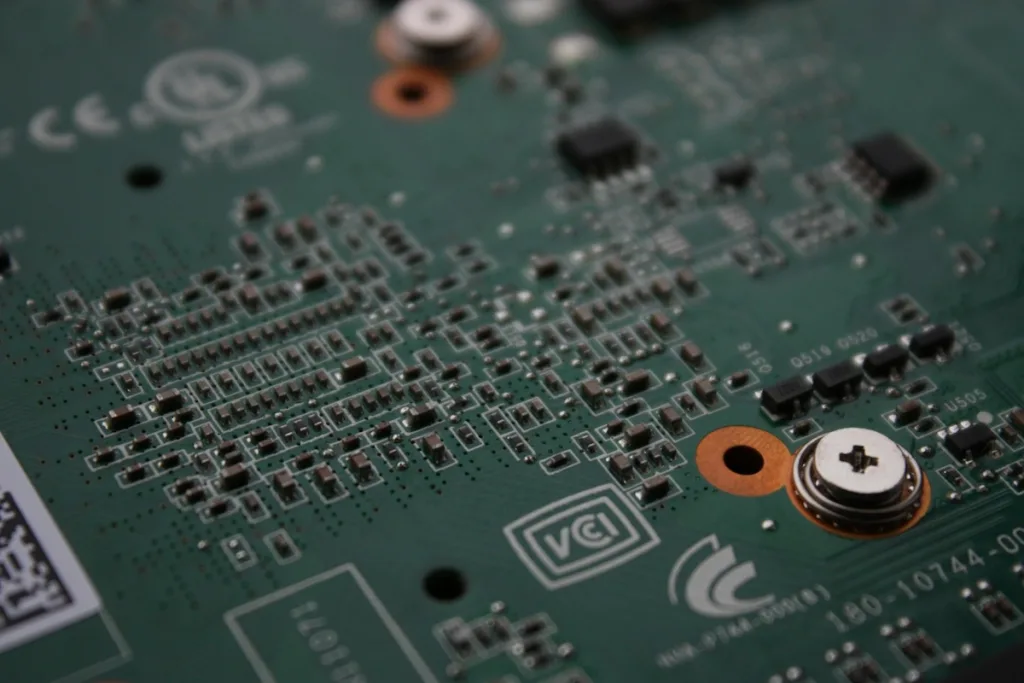
Tin’s role in electronics manufacturing represents one of its largest modern applications. Tin serves as the main component in solder, which is the material used to create bonds between different electronic components on circuit boards. It is thought that approximately 50% of end-use tin consumption is from solder, which should come as no surprise. You’ll find tin solder in pretty much every electronic device. Smartphones, laptops, televisions and vehicle electronics all depend on tin-based connections.

Why is tin perfect for this application? Its relatively low melting point (232°C) allows manufacturers to join metal components without damaging sensitive electronics. When heated, tin-based solder flows easily into joints and creates reliable electrical connections that can withstand many years of use. Modern soldering predominantly uses tin alloys rather than pure tin. Traditional tin-lead solder (typically 60% tin, 40% lead) was the standard for decades, but environmental regulations have driven a shift towards lead-free alternatives. Today’s electronics manufacturers primarily use tin-silver-copper alloys, which maintain excellent performance whilst meeting safety standards. In a world that is becoming increasingly digital, demand for high-quality tin solder will only continue to grow.
2. Food Packaging
One use of tin you will be familiar with is in food packaging. Whether it’s for massive industrial applications or the luxury end of the market, tin is synonymous with the food packaging industry. Why is this the case? The metal’s combination of properties includes non-toxicity, corrosion resistance, malleability, and elite barrier protection, making it perfectly suited for preserving, protecting, transporting and displaying food products.
Tin’s role in food packaging primarily covers two distinct markets. Industrial-scale tinplate cans and luxury containers for high-end products. Let’s break down how tin works in both of these applications.
Tinplate & Food Cans
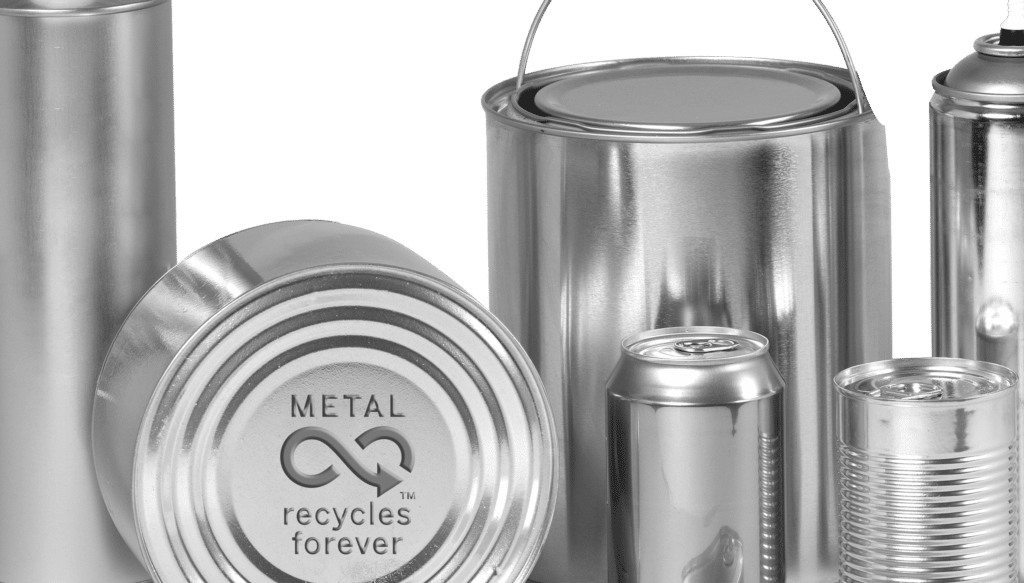
When most people think about tin’s uses, food cans likely come to mind first. However, what we call ‘tin cans’ are actually steel cans with a thin tin coating – properly termed tinplate. The manufacturing process involves coating steel sheets with a very thin layer of tin, typically just 0.15-0.30 µm thick. This tin coating is crucial. Both the inside and outside of the steel can are coated in tinplate. The inside coating prevents the steel from corroding when exposed to the acids and moisture in food, creating a completely food-safe barrier. The outside coating limits external corrosion, whilst providing a smooth surface for printing labels and general protection during handling.
Tinplate remains one of the largest commercial uses of tin globally. Billions of tinplate cans are produced annually for preserving vegetables, fruits, soups, and beverages. The material’s ability to withstand high-temperature sterilisation whilst protecting contents from light, oxygen, and contamination has made it essential for long-term food storage. As we explored in our article about types of food packaging, metal is also one of the most sustainable packaging materials.
Luxury Packaging
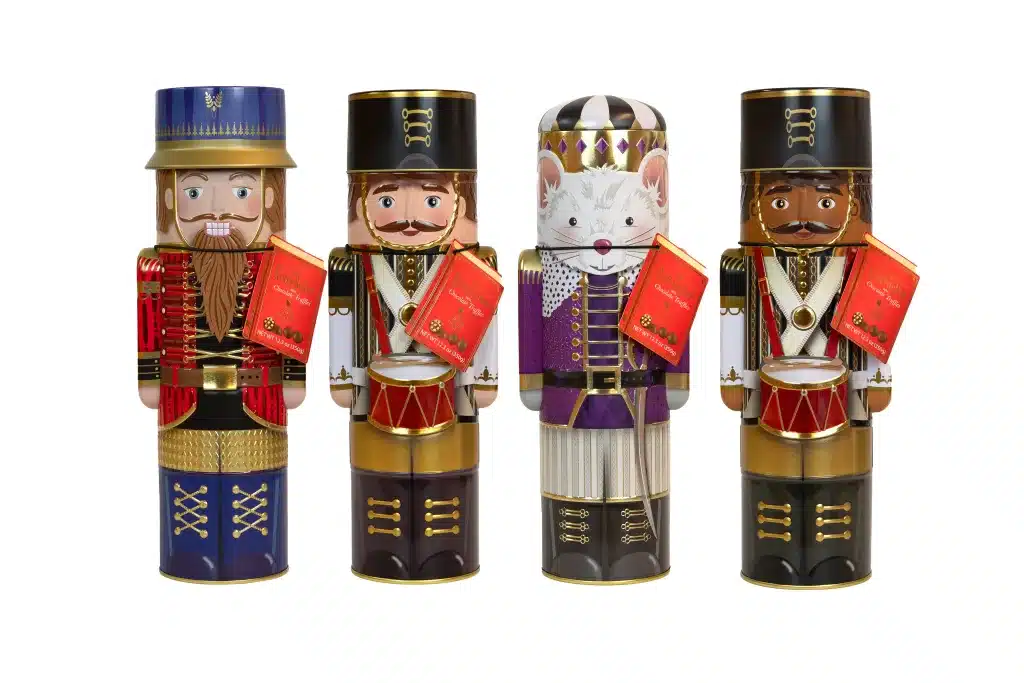
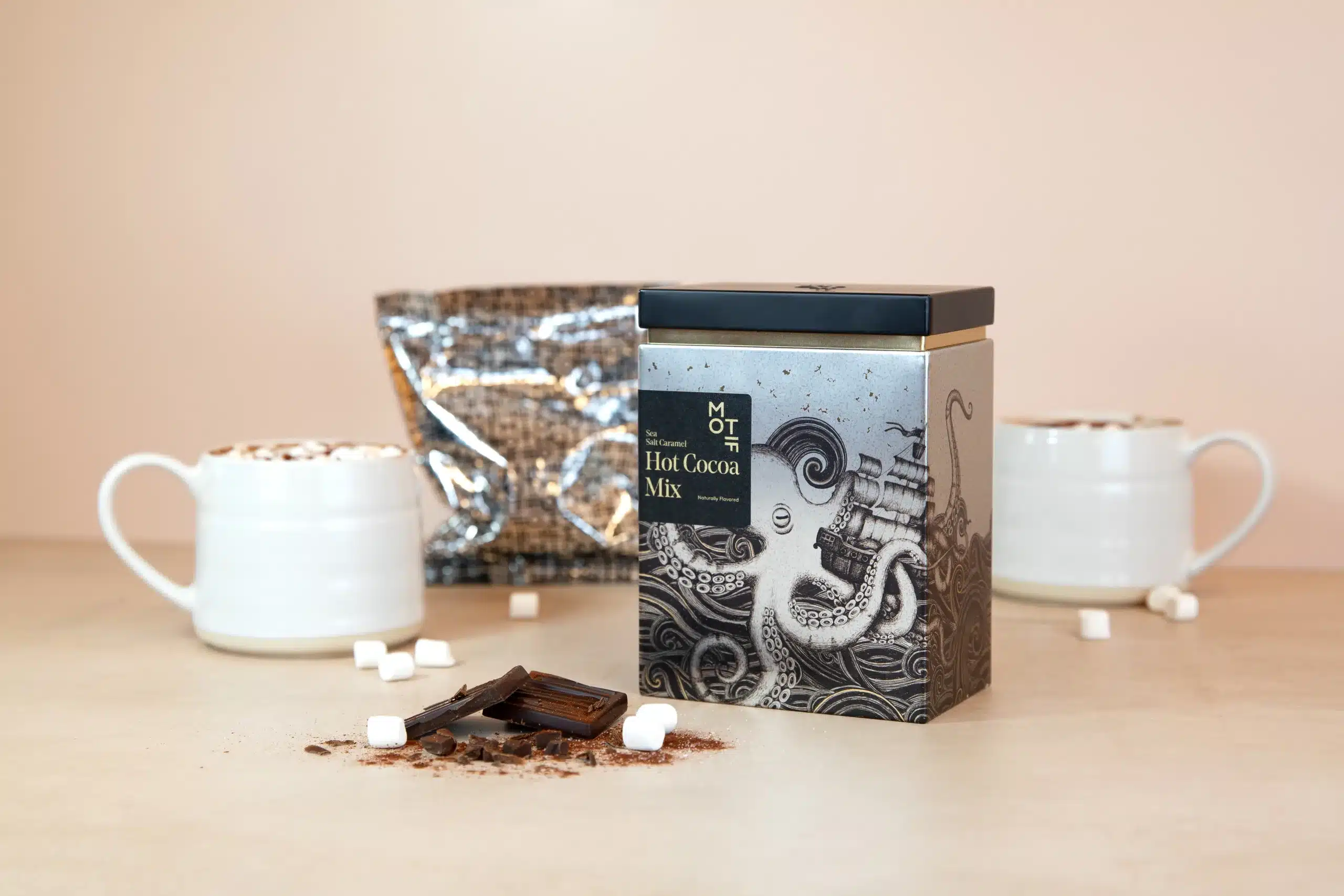
Now that we have covered everyday tinplate cans, it is important to understand how else tin is used in food packaging. Custom tin containers represent the upper end of the packaging spectrum, where presentation and reusability matter just as much as protection. This is often a choice for brands that want to stand out on the shelf and position themselves for high-end audiences. Think bespoke biscuit tins, premium confectionery boxes and seasonal packaging. Here are some of the most common products that benefit from luxury tin packaging:
- Seasonal food gifts
- Chocolates
- Biscuits
- Sweets
- Teas
- Coffees
Unlike disposable packaging, these decorative tins are designed to be kept and reused. The packaging is a lasting reminder of the brand and becomes a part of the product, rather than something which is just thrown away by the consumer.
Beyond aesthetics, tin packaging provides strong protection for the contained products, maintains freshness thanks to excellent barrier properties, and offers a premium unboxing experience that increases the perceived value of the product. The sustainability credentials are impressive as well. Tin is infinitely recyclable, and well-crafted tins are typically repurposed rather than recycled.
At Silver Crane, we’ve spent 47 years mastering the arts of packaging innovation, tin manufacturing, and seasonal food gifting. Our award-winning design team creates custom tin packaging for major retailers across the globe. From concept through to delivery, we manage every stage of the process, whether you need private label chocolates and sweets or premium biscuits and cookies. Our deep understanding of the latest packaging design trends ensures your brand stands out when it matters most. Get in touch with our team to start your project.
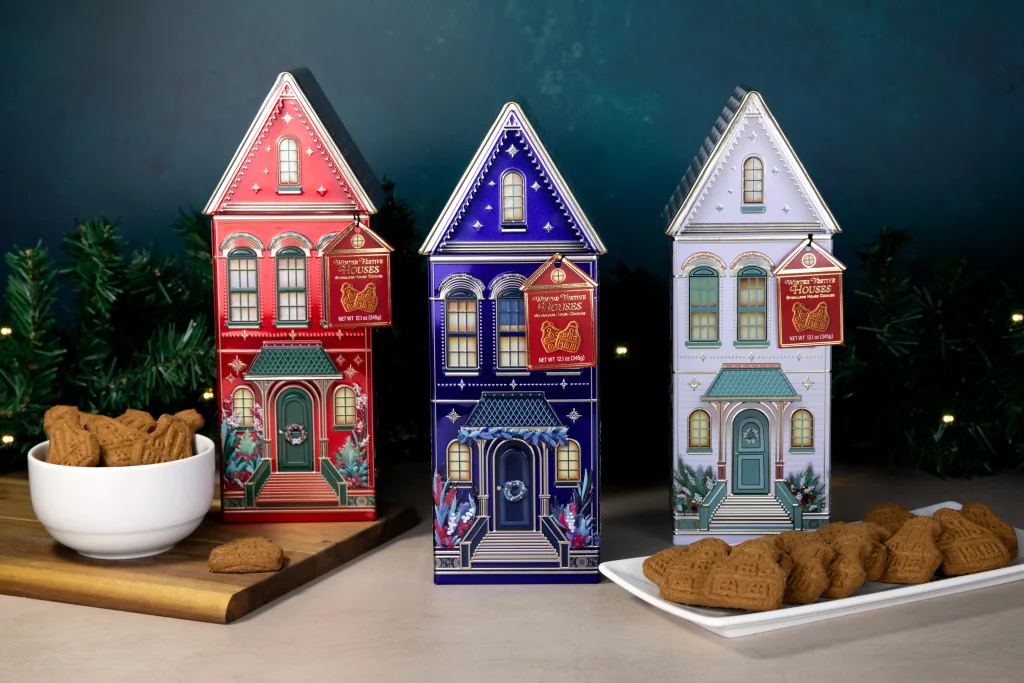
Examples Of Luxury Tin Packaging
 |
 |
3. Tin Alloys
Tin has been a valuable alloying element for thousands of years. When combined with different metals, tin creates alloys with unique characteristics suited to specific applications. Two of the most notable tin alloys are bronze and pewter – both remain important in the modern day.
Bronze
The first tin alloy produced at scale was bronze, which was an innovation that kick-started the Bronze Age, way back in 3,300 BC. Modern bronze usually contains 88% copper and 12% tin, though ratios vary depending on the application. The addition of tin to copper drastically helps to improve its durability and corrosion resistance. In the modern day, bronze is often used for:
- Art – Perfect for sculptures and architectural elements where durability and aesthetics matter.
- Marine – Great for underwater components as the alloy resists saltwater corrosion.
- Music – The bronze alloy produces superior sound quality for instruments like the cymbal.
- Bearings – Handles high friction in industrial machinery without wearing down.
Pewter
Pewter is one of tin’s most elegant applications. It’s an alloy made primarily of tin, typically around 90%, with the remainder being antimony (around 8%) and copper (around 1.5%). Bismuth is often added in very small quantities to improve the castability. The alloy’s ability to be repeatedly melted and recast without degradation makes it particularly sustainable. Traditionally, pewter contained lead. In the UK, lead was largely phased out of pewter in the 1970s, before more stringent European regulations were introduced in the 1990s, ensuring modern pewter does not contain lead. Back to the modern day, and pewter is often used for:
- Homeware – Pewter is used for decorative items like tankards and plates.
- Jewellery – Has a finish similar to silver, but is affordable and doesn’t tarnish easily.
- Collectables – Model figurines and intricate ornaments where fine detail is essential.
4. Glass Manufacturing
Glass manufacturing heavily relies on tin. It is a use that is lesser known, but tin plays a critical role in the production of flat glass. The float glass process (also known as the Pilkington process) is the dominant method for manufacturing window and architectural glass, relying entirely on molten tin.
In this process, molten glass is poured onto a bath of molten tin at approximately 1000°C. Because tin is denser than glass and the two materials don’t mix, the glass floats on the tin surface whilst cooling. This creates perfectly flat, smooth glass with uniform thickness. These qualities are difficult to achieve through other methods. This process produces nearly all of the flat glass used in windows and architectural applications worldwide.

5. Tin Chemical Compounds
We have covered several examples where tin is used in its solid metal format, but tin chemical compounds play a vital ‘invisible’ role in modern industry. In short, these tin-based chemicals are used as additives that make many everyday products more durable and efficient.
- PVC Stabilisers – Organotin compounds are added to PVC (used in pipes, guttering, and window frames) to prevent the plastic from degrading or discolouring when exposed to heat or sunlight.
- Industrial Catalysts – Tin chemicals are crucial for the production of polyurethane foams. These are found in everything from car seats to home insulation.
- Surface Treatments – In a process known as ‘hot-end coating’, tin chemical vapours are applied to glass bottles to toughen the surface. This makes them more resistant to breaking.
These applications might not be visible to consumers, but they’re essential to modern manufacturing. Research into tin-based materials continues to grow, including solar cell efficiency, advanced battery technologies, and specialised catalysts for chemical manufacturing.
The Versatility Of Tin
From the tiny solder joints in your smartphone to the beautiful tin packaging containing your favourite biscuits, tin is prominent in all areas of modern manufacturing and day-to-day life. It is a metal that has stood the test of time, thanks to its unique combination of properties – durability, corrosion resistance, non-toxicity, and compatibility with other materials.
Whilst industrial applications like electronics and glass manufacturing consume a large portion of global tin production, the luxury end of the market demonstrates tin’s aesthetic and functional possibilities. When launching a food product, packaging choices play a major role in commercial success. Premium tin packaging combines protection, presentation, and sustainability in ways no other material can match.
As trusted experts in food gifting and custom tin packaging, we collaborate with top food suppliers to deliver bespoke, retail-ready food gifts that delight retailers and shoppers alike. Get in touch with our team to learn how we can support you.
Contact Us
Say hello
Let us create the solution you need! Get in touch.