


Insights
5 Most Common Types Of Food Packaging
Your packaging choice can make or break your product launch.
Get it right and you’ll stand out on the shelf, keep your product protected and communicate quality. Get it wrong and you risk getting lost amongst the competition or worse, damage your brand positioning.
Your packaging protects your product, communicates your brand identity, elevates shelf appeal and influences consumer purchasing decisions. With so many different types of food packaging available, it can be difficult to know what the best option is for your product. You need to get this decision right. Proper research and consideration are essential. What food packaging material logistically works best for your product? Which packaging type would help your brand to stand out on a busy shelf? How can you ensure that your product is protected throughout its entire lifecycle?
Weighing up the pros and cons of the different options is key, so you can understand which characteristics are best suited to your project. In this article, we explore the five most common types of food packaging used across the industry. Whether you are launching a new product line or shaking up your current packaging strategy, understanding the strengths and limitations of each material will help you make informed decisions, enabling your product to thrive in today’s competitive marketplace.
Looking for broader guidance on bringing a new food product to market? Check out our complete guide covering everything you need to know about launching a food product.
An Overview Of Popular Food Packaging Types
Before we explore each type in more detail, we’ve included a summary of the five most common types of food packaging below:
- Plastic Packaging – Hugely popular, versatile and cost-effective. Facing growing environmental pressures and sustainability challenges.
- Tin Packaging – Premium, durable and sustainable. Tin offers infinite recyclability, perfect for luxury products, including seasonal food gifts.
- Glass Packaging – Ideal for sauces, preserves and some beverages. Can offer high-end positioning, but also heavy and fragile.
- Cardboard and Paper Packaging – Sustainable and widely recyclable. Best suited for dry goods, but it gives poor protection to the items contained.
- Flexible Packaging (Pouches, Films & Wraps) – Space-efficient and lightweight. Commonly used for snacks, ready meals, and fresh produce. Poor durability.
1) Plastic Packaging
Plastic has long been the most widely used packaging material in the food industry. This is mainly due to its cost-effectiveness. Plastic food packaging comes in all shapes and sizes, including rigid containers, clamshells, trays and bottles. No matter the shape or size of your product, plastic can be moulded in a way to accommodate this. It isn’t all good news, though, as our limitations section covers in more detail…
Benefits
Plastic packaging offers practical advantages that make the material so popular when it comes to food:
- Cost-effective – cheap to produce at scale
- Lightweight – reduces transportation costs
- Versatility – can be moulded into nearly any shape
- Barrier protection – most plastics offer protection against moisture and oxygen
Limitations
However, plastic packaging faces some major drawbacks, which are only going to become more of a concern in the coming years:
- Poor sustainability – 46% of plastic goes to landfill each year
- Consumer trends – consumers avoid products packaged in single-use plastics
- Positioning challenges – difficult to convey quality compared to metal or glass
- Regulatory pressures – increasing sustainability legislation makes plastic harder to justify long-term
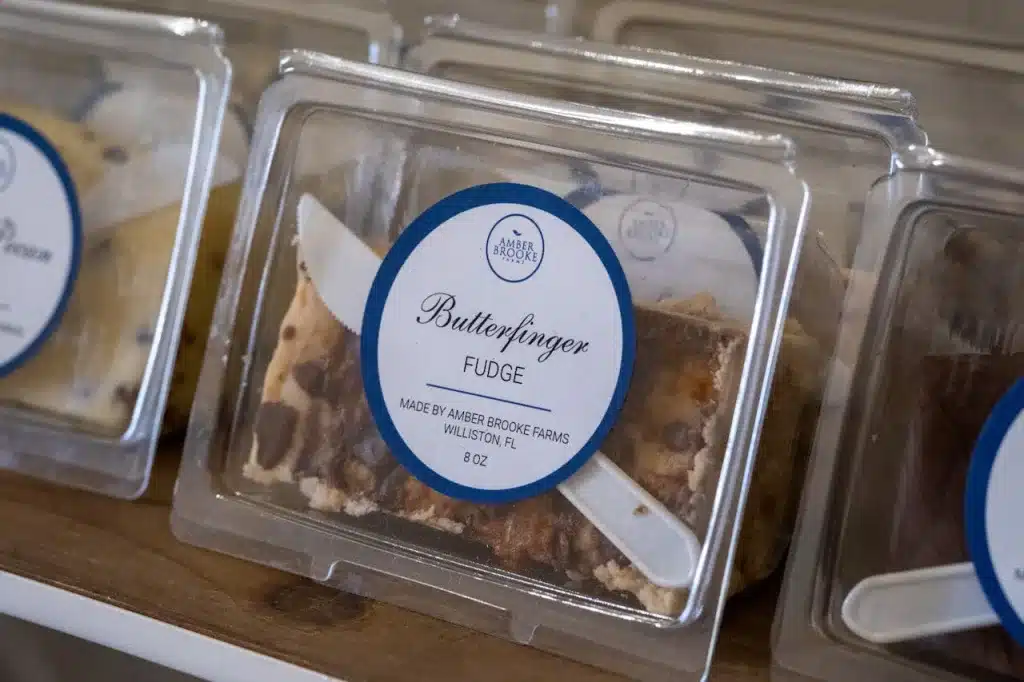
Verdict: Brands must weigh the short-term cost benefits against potential long-term risks. Great in the short-term for fresh produce, dairy, crisps, ready meals and other convenience food products. But plastic will not be ideal as a long-term solution, particularly for more premium brands. The plastic era is coming to an end – brands need to plan their exit.
2) Tin Packaging
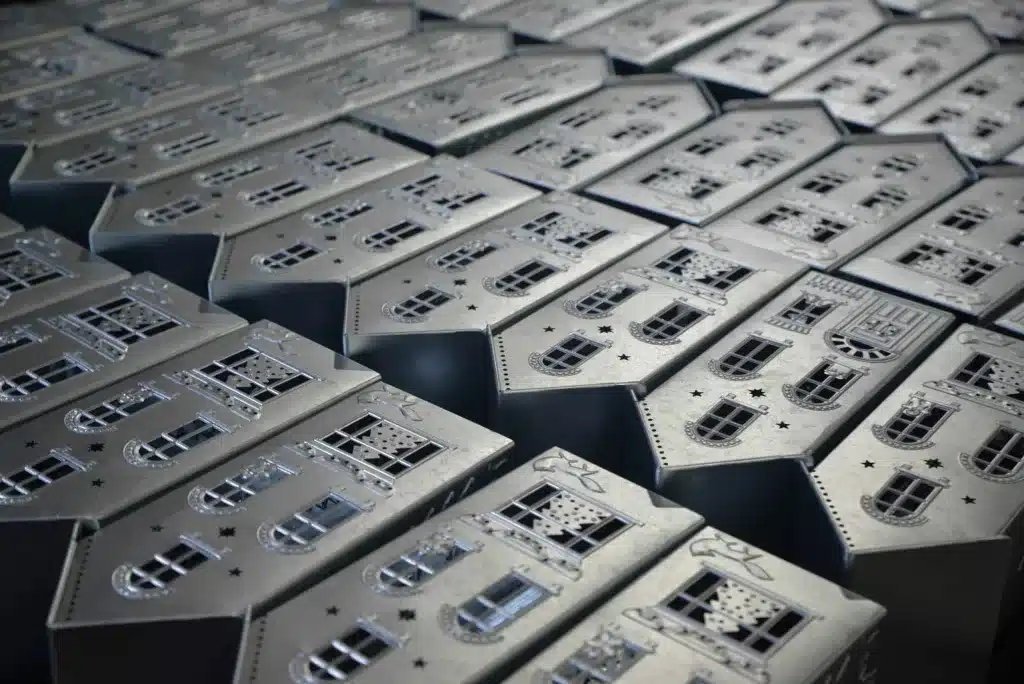
Tin packaging has long been recognised as one of the best food packaging options on the market, thanks to its premium aesthetic and sustainable properties. For brands looking to make a lasting impression whilst maintaining strong environmental credentials with consumers, tin offers benefits that other packaging materials simply can’t compete with.
Benefits
It goes without saying, but tin offers many advantages when it comes to food packaging, including:
- Infinite recyclability – can be recycled endlessly without quality loss
- Strong durability – protects products throughout distribution and storage
- Shelf appeal – premium finish instantly communicates quality
- Keepsake value – consumers repurpose tins long after consumption
Limitations
Whilst tin is one of the best sustainable packaging solutions, it does have some drawbacks that may not make it suitable for all food products:
- Costs – more expensive to produce than plastic or cardboard
- Weight – heavier than plastic or flexible packaging, though lighter than glass
- Product suitability – not ideal for all food types, particularly short shelf-life products
Verdict: The choice for brands serious about sustainability, product protection and standout shelf appeal. Ideal for biscuits, confectionery, tea, coffee, food gifts and any product where quality positioning matters.
At Silver Crane, we specialise in creating innovative tin packaging solutions that combine award-winning design with a complete end-to-end service. We support global brands with tin manufacturing and design projects. From private label confectionery and biscuits to complete store-ready food gifts, contact our team to discuss your project.
3) Glass Packaging
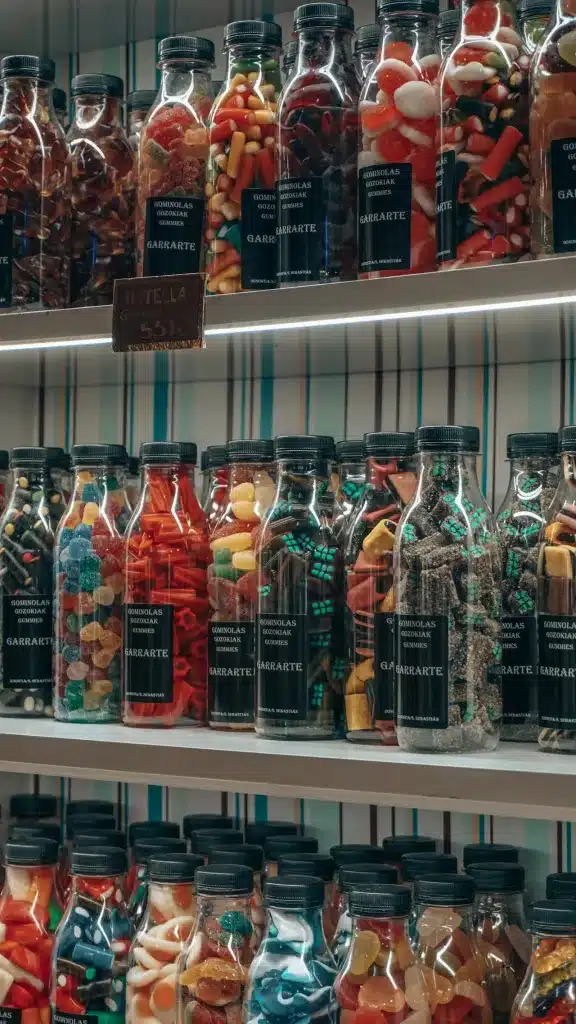
Glass packaging remains popular for some food categories. Think sauces, preserves, condiments and premium beverages – products where transparency and freshness matter most. Whilst it offers some clear advantages in terms of freshness and consumer perception, the practical limitations of glass mean it’s not suitable for all products. That said, glass is great at creating a more premium shelf appeal, much like tin.
Benefits
Glass packaging offers several key benefits for certain products:
-
- Preserves freshness – keeps contents fresh and maintains flavour exceptionally well
- Shelf appeal – premium look associated with quality products
- Good recyclability – strong sustainability credentials, although some studies suggest glass is not infinitely recyclable in practice
- Visual transparency – allows consumers to see the product inside
Limitations
However, glass packaging has significant drawbacks in some circumstances:
- High weight – substantially increases transportation costs and emissions
- Fragility – requires careful handling to prevent breakage
- Limited applications – not suitable for all product types or environments
- Additional packaging required – needs protective materials during transport
Verdict: Glass works well for specific product categories where transparency and freshness are the priority. Ideal for sauces, preserves, pickled products, premium beverages and baby food. However, the weight and fragility limitations make glass less practical than metal for many competitive retail environments.
4) Cardboard and Paper Packaging
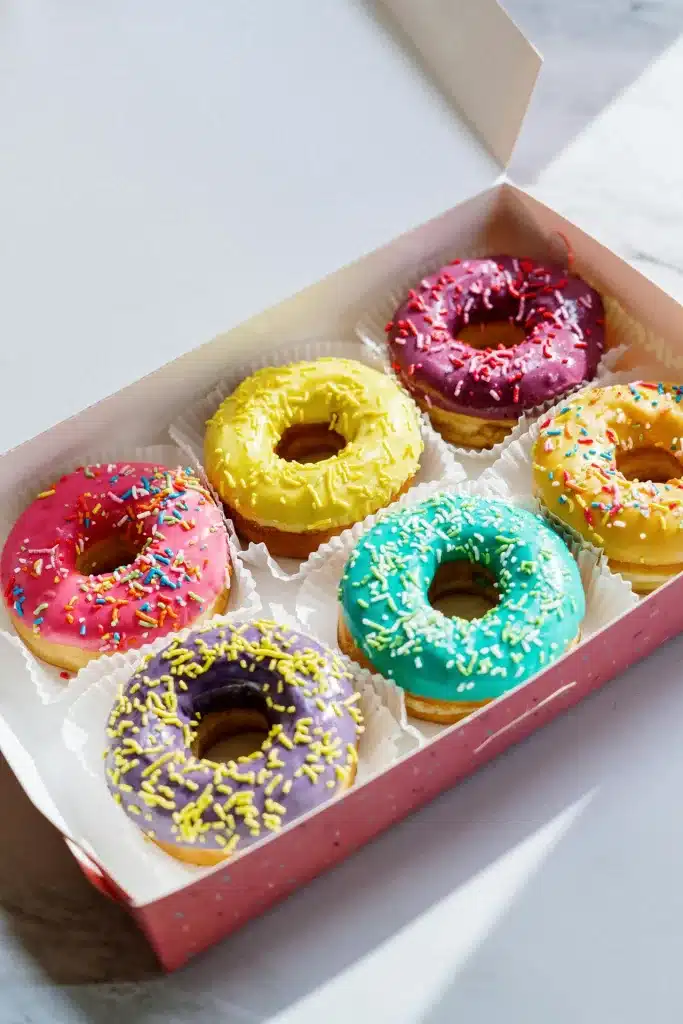
Cardboard and paper packaging have risen in popularity over recent years. This has been fuelled by consumer demand for sustainable and recyclable packaging solutions. Available in various forms, including boxes, folding cartons, and trays, cardboard packaging is a versatile option for many food applications.
Benefits
Cardboard and paper packaging provide several advantages, making it a suitable food packaging type for many products:
- Sustainability credentials – widely recyclable and biodegradable
- Lightweight – easy to handle and reduces transport costs
- Product versatility – suitable for a wide range of food types
- Cost-effectiveness – relatively affordable for many uses
Limitations
However, cardboard faces some functional challenges:
- Poor durability – vulnerable to crushing, tearing or moisture damage
- Requires additional materials – often needs plastic liners, undermining sustainability
- Structural weakness – lacks rigidity compared to tin or glass
- Shelf appeal – struggles to convey luxury compared to tin or glass
Verdict: Cardboard works well for dry goods and outer shipping containers where basic protection is sufficient, including cereals, crackers, pasta and bakery products. However, for food products requiring superior durability, extended shelf life or strong brand positioning, other alternatives can deliver considerably better performance.
5) Flexible Packaging (Pouches and Films)
What is flexible packaging? Flexible packaging uses lightweight materials, often plastic, that can be easily shaped and moulded around products. This category includes stand-up pouches, flow wraps, sachets, and other film applications. Flexible packaging is particularly popular for snacks, ready meals, beef jerky and portion-controlled products.
Benefits
Flexible packaging offers several practical advantages:
- Freshness – seals out air & moisture to maintain flavour & product quality
- Lightweight properties – significantly lighter than rigid alternatives
- Cost-effective – economical at scale for high-volume products
- Convenience – resealable closures and easy-open features
Limitations
However, just like the other types covered, flexible packaging also faces some notable drawbacks:
- Recyclability challenges – some constructions are not easily recyclable
- Perceived value – doesn’t convey premium quality signals
- Protection – less protective against punctures or physical damage
- Difficult to display – lacks rigidity for effective stacking on shelves
Verdict: Flexible packaging works well for convenience-focused products where weight is the priority. Commonly used for snacks, coffee, ready meals, fresh produce and pet food. However, for premium food brands or products requiring stronger protection, other packaging types may deliver superior performance.
Choosing the Right Food Packaging Type
Opting for the right type of food packaging requires careful evaluation of your product’s needs, target market, and brand positioning. Consider these key factors:
- Protection needs – does your product need airtight sealing and strong protection?
- Market positioning – premium brand or value-driven pricing?
- Environmental credentials – how important is sustainability to your customers?*
- Shelf presence – will your packaging stand out and reflect your brand?
*According to McKinsey, 43% of US consumers consider sustainable packaging an extremely or very important factor when making purchasing decisions. Sustainability must be a core consideration in your packaging strategy as it continues to become a more important factor for consumers.
For brands targeting premium markets with strong sustainability credentials, tin packaging delivers superior performance. With over 47 years of expertise in design and supply, The Silver Crane Company is an award-winning leader in seasonal food gifting and decorative tin packaging. Contact our team today to discuss your tin packaging requirements.
Contact Us
Say hello
Let us create the solution you need! Get in touch.